Mr. Speaker, a takeaway meal may be finished in fifteen minutes however, the plastic knife and fork that often comes with it can leave a mark on our environment for decades. It can be alarming to think that something we use for a few moments can become a problem that lasts for generations.
Today, I rise in this Honourable House, to announce our proposed first step to change that.
The Ministry of Public Works and Environment will bring into effect the Single-Use Plastics Act 2026 next week and issue a notice of intention in December 2026, to make single-use plastic cutlery the first item to be considered for prohibition under the Act. This would cover plastic knives, forks and spoons, including sporks, which combine a spoon and a fork.
Mr. Speaker, the Act, which was passed earlier this year, requires us to announce which products we propose to ban and give the public and businesses an opportunity to respond before a ban can take effect. There must be at least six months between that announcement and the start of any considered ban.
Our recent public consultation helped us identify a possible starting point and now, as per the law, the next step is to put this specific proposal before the public.
Once the notice is published, local eateries, importers, shops, hotels, caterers and members of the public will have six months to give their views on the proposed cutlery ban. Those views will be considered before a final decision is made.
Mr. Speaker, when Parliament passed the Act, we deliberately left the list of prohibited products empty. We wanted to consider several categories carefully and introduce changes that Bermuda could reasonably manage.
As such, we believe cutlery offers a practical place to start. Our team’s work has identified alternatives, including biodegradeable plastic. For many eateries, the change would mean buying a different knife, fork or spoon while continuing to serve the same meals in the same way.
By proposing cutlery as the first step, we aim to give businesses time to adjust, learn from their experience, and use those lessons when considering other products.
Mr. Speaker, hundreds of residents took part in our recent survey, with a clear majority supporting a ban on plastic cutlery and I would like to thank everyone who shared their views.
That feedback, together with our team’s work on available alternatives, has helped shape this proposal. We believe it offers a sensible starting point, and the notice will give everyone an opportunity to comment before a final decision is made.
Mr. Speaker, we know that businesses and families are watching what they spend and therefore to help ease any potential increase in cost of this proposed change, the Ministry of Finance has approved duty relief for all approved alternatives. Those replacement products will be duty-free. I would also like to acknowledge the Department of Customs who are consulting with the Department of Environment & Natural Resources to ensure that the tariff codes are clearly aligned with actions taken under this new Act.
Businesses will receive clear information about acceptable replacements and the duty relief before any ban begins.
Our aim is to introduce a manageable change, supported by time to prepare and practical help from Government.
Mr. Speaker, the Opposition has also supported reducing single-use plastics and I believe we agree that protecting Bermuda’s environment matters, and that change should be introduced carefully. That is why we are proposing a small first step, support for businesses, and an opportunity for people to be heard.
Mr. Speaker, it is also important that everyone understands the timing.
No ban can begin until the feedback from the consultation with the public and businesses has been assessed, which will be at least six months after the notice of intention is published.
If the Government then proceeds forward, imports of the listed plastic cutlery will stop when the ban starts. Businesses will then have a further six months to use, sell or dispose of the stock they already have. They will not be able to bring in more of the banned products during that second period.
Mr. Speaker, the reason for taking this step reaches far beyond the knife and fork beside a takeaway meal.
The ocean is part of daily life in Bermuda. It feeds us, supports jobs and gives us places to swim, fish and spend time with our families. Its health matters, and should matter, to all of us.
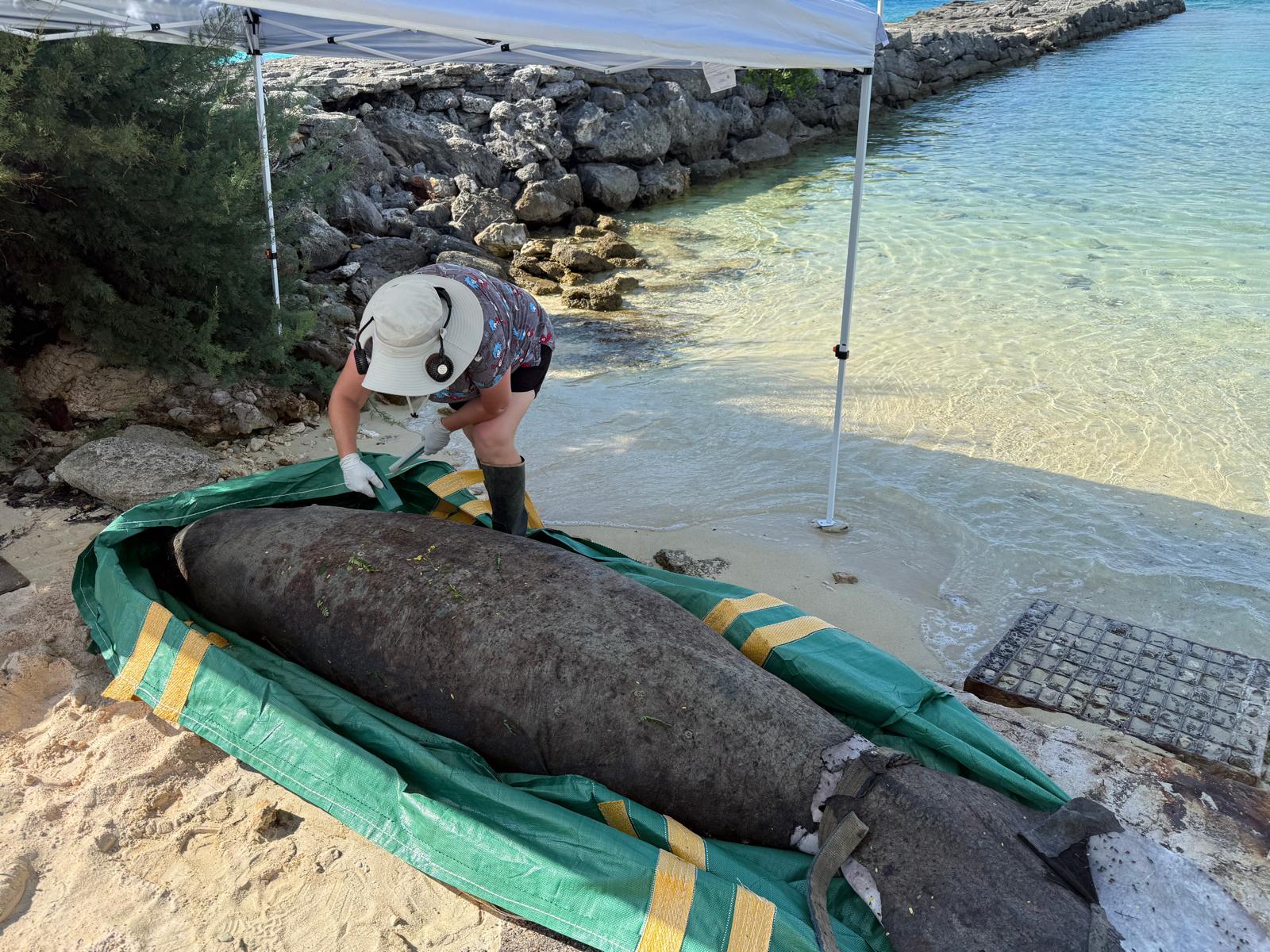
Plastic pollution puts that health under pressure. Turtles, seabirds and fish can mistake plastic for food. Swallowing it can cause injury and interfere with feeding. Marine animals can also become trapped in discarded plastic, sometimes with fatal results.
And the problem does not end when a piece of plastic becomes too small to see. Sunlight and waves can break it into even smaller pieces and those tiny pieces, known as microplastics, are much harder to collect and remove.
They can be swallowed by marine life and enter the food chain. Cleaning a beach is important, but we cannot simply sweep every tiny particle out of the sea. Reducing the plastic that can reach the environment must be part of the answer.
Mr. Speaker, this also brings the issue closer to home. Researchers around the world have found tiny plastic particles in our food, our drinking water and within our bodies. This helps to illustrate how widely plastic has spread. Something we throw away can travel far beyond the trash can, the roadside or the beach where it first lands.
Mr. Speaker, There is an economic reason to act as well.
Bermuda’s beaches and waters help attract visitors and support the people who work in tourism, fishing and businesses connected to the sea. Protecting those natural assets helps protect livelihoods. Plastic pollution brings costs of its own. Cleaning up litter takes time, labour and money. Around the world, polluted coastlines and damage to marine life affect tourism and fisheries. For an island such as ours, looking after the environment is part of looking after our future prosperity.
Mr. Speaker, I want to acknowledge Beyond Plastic Bermuda and other organisations and volunteers who help explain these issues and care for our shores. Their work reminds us that keeping Bermuda beautiful requires everyday choices as well as clean-up efforts.
We cannot control everything ocean currents carry here but we can take responsibility for what we import, what we use and what we throw away. This proposed change is one way to begin doing that.
Mr. Speaker, we will take this programme one step at a time.
This is why we are proposing cutlery as the first item. Any proposals for other products would be considered separately, taking account of available replacements, their cost and how they are used.
As we move forward, we will look at whether fewer plastic products are being imported, whether alternatives are readily available and how the changes are working for businesses and customers.
I encourage everyone affected to share their views when the notice is published. Your experience will help shape the decision and how any change would work in practice.
Mr. Speaker, Bermuda has spent years discussing how to reduce single-use plastics. We now have a practical proposal for where to begin.
A different fork may seem like a small change. Across our eateries, shops and homes, small changes can add up. By starting carefully and working together, we can turn a shared concern for our environment into something we do differently every day.
Thank you, Mr. Speaker.