Good afternoon and thank you for joining me today.
I am here to provide an update on the Government's electoral reform work and to announce the establishment of the Electoral Reform Working Group.
Electoral reform is about strengthening public confidence in Bermuda's democracy. It is about improving access to voting, ensuring elections continue to be conducted fairly and consistently, bringing greater transparency to campaign and election finance, and ensuring that the institutions responsible for our elections are equipped for the future.
Over the past several months, the Government has undertaken extensive consultation, research, and public engagement on a broad range of electoral reform matters. Through town halls, stakeholder discussions, youth engagement sessions, written submissions, feedback from overseas Bermudians, candidate surveys, and operational reviews, we have gathered valuable perspectives from across our community.
Throughout this process, we have remained guided by a simple principle: electoral reform must strengthen our democracy, improve confidence in the electoral process, and ensure that our electoral system remains fair, accessible, secure, and fit for purpose.
Today, I can confirm that the Electoral Reform Working Group has now been formally established.
The Working Group has been created to provide independent review and practical scrutiny of the Government's electoral reform proposals before legislative drafting is finalised. Its role is to assess the evidence gathered to date, review policy proposals, identify risks and safeguards, and provide recommendations to support the next phase of reform.
Its work will focus on four key areas:
-
Voter Access and Registration
-
Election Day Processes and Administration
-
Campaign and Election Finance
-
Governance and Oversight
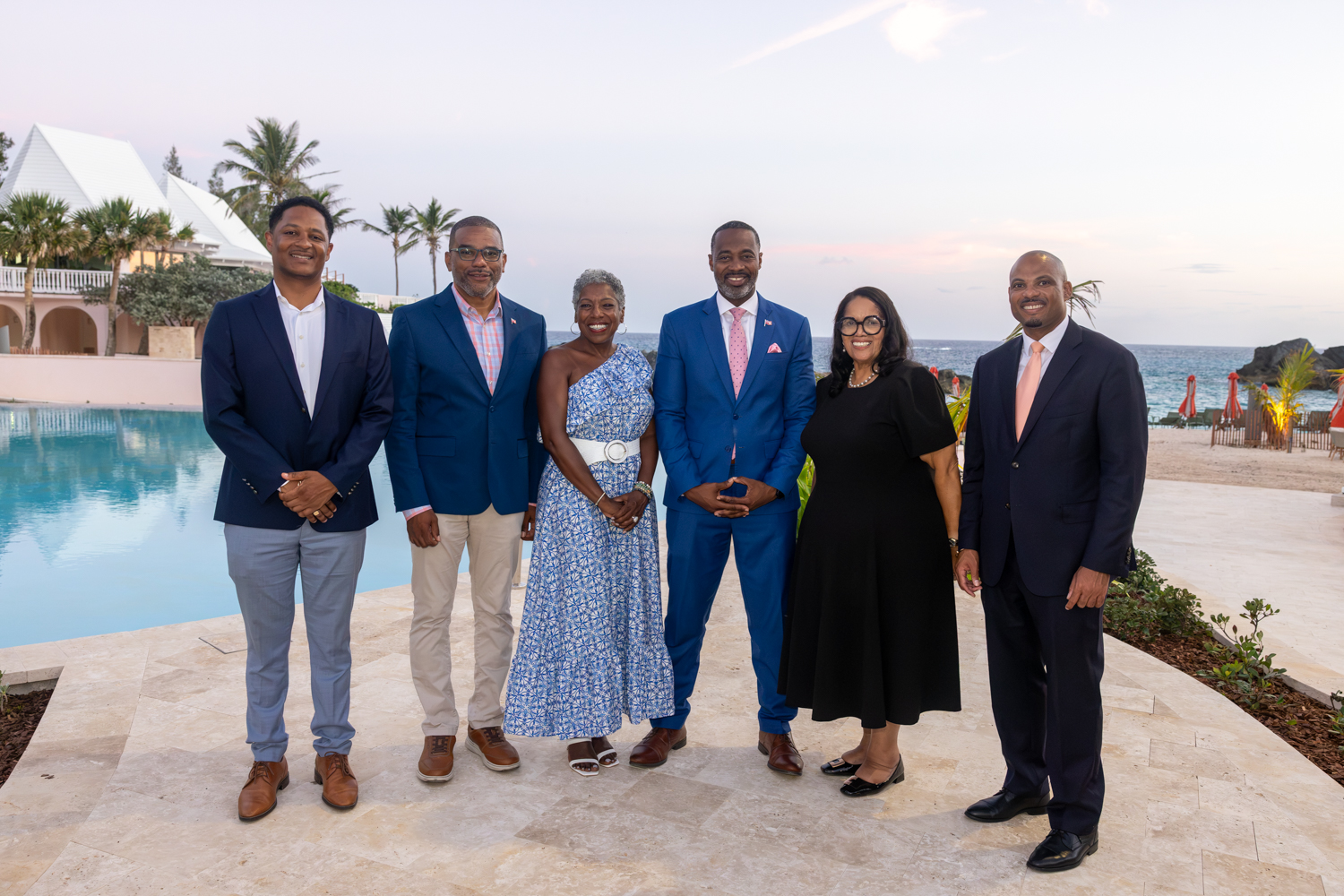
I am pleased to announce that Senator Lauren Bell will serve as Chair of the Electoral Reform Working Group and Ms. McKenzie Kohl Tuckett will serve as Deputy Chair.
They will be joined by Ms. Juanae Crockwell, Mr. Theo Wolffe, Mr. Max Blakeney, Ms. Lana Talbot, Mr. Trew Morris, Ms. Tenia K. Woolridge, the Parliamentary Registrar, Ms. Jahdia Spencer, Mr. Geoffrey Faiella, and Mr. Michael Anthony Charles Smith.
I want to take a moment to acknowledge this group
These individuals have been selected not only for the experience and expertise they bring, but also because, collectively, they represent a broad cross-section of Bermuda's community.
The Government was deliberate in seeking a Working Group that reflects a range of professional backgrounds, generations, perspectives, and lived experiences.
That balance matters.
Electoral reform affects every Bermudian. It affects young people entering the democratic process, Bermudians studying overseas, candidates, political parties, and the institutions responsible for administering elections.
It is therefore important that the group reviewing these proposals reflects that diversity of experience.
Members have not been appointed to advocate for any political party, organisation, or special interest. Rather, they have been appointed to apply their judgement, experience, and constructive scrutiny to the proposals before them and to help ensure that any reforms ultimately brought before Parliament are practical, effective, and capable of commanding public confidence.
I am confident that they will approach this work with seriousness, independence, and a clear focus on strengthening public confidence in our electoral system.
The Working Group will receive consultation findings, policy papers, operational assessments, comparative research, and other supporting materials.
Particular attention will be given to issues such as absentee voting for overseas students, campaign finance regulation, voter registration, Election Day administration, and options for strengthening electoral governance, including consideration of a future Electoral Commission.
The issue of absentee voting emerged as one of the most frequently raised electoral matters during and following the last General Election.
Concerns were expressed by Bermudians studying overseas who wished to participate in the democratic process but faced barriers to doing so.
The Government has listened carefully to those concerns, and the Working Group will examine practical and secure options to improve voter access while preserving the integrity and public confidence that are fundamental to our electoral system.
The Group has been established as an accelerated review exercise.
I have already met with members as part of an initial orientation session, where the timeline and expectations were discussed in detail.
There is a clear understanding among all members that this work must proceed with focus, discipline, and urgency.
The Group has committed to working on an expedited schedule, with the goal of completing its core review and submitting its recommendations within approximately four weeks.
This is achievable because a substantial amount of groundwork has already been completed through consultation, research, and policy development.
This phase is not about restarting the conversation. It is about testing, refining, and finalising the direction of reform.
This Government has been clear that electoral reform should be guided by evidence, informed by practical experience, and tailored to Bermuda's unique circumstances.
The establishment of this Working Group reflects that commitment.
I would like to thank Senator Bell, Ms. Kohl Tuckett, and all members of the Working Group for their willingness to serve.
Their contribution will play an important role as we continue the work of strengthening Bermuda's democratic institutions.
Our target remains unchanged.
The Government remains committed to bringing electoral reform legislation before Parliament in September 2026, and I look forward to receiving the Working Group's recommendations in the weeks ahead.