Mr. Speaker, I rise today to update this Honourable House and the people of Bermuda on the readiness of our public schools for the 2026/27 academic year.
As our students return to their classrooms, I want parents, educators and the wider community to understand both the work completed over the summer and what work remains to be done.
School readiness is a significant undertaking. It involves preparing our buildings, addressing health and safety concerns, ensuring that our schools are appropriately staffed, and ensuring that programmes and supports are in place to meet the diverse needs of our students.
This work does not happen overnight, and it certainly does not happen without the commitment of a great many people.
Therefore, before I go any further, I want to thank the teams who have worked throughout the summer to prepare our schools. I extend my appreciation to our Ministry and Department of Education staff; our colleagues in the Ministry of Public Works and Environment; principals and school leadership teams; custodians; contractors; BELCO and our other Government and community partners.
Many have worked a lot of additional hours and weekends, often under considerable pressure, to get our schools ready. Consequently, there has been substantial progress, and that work deserves to be acknowledged.
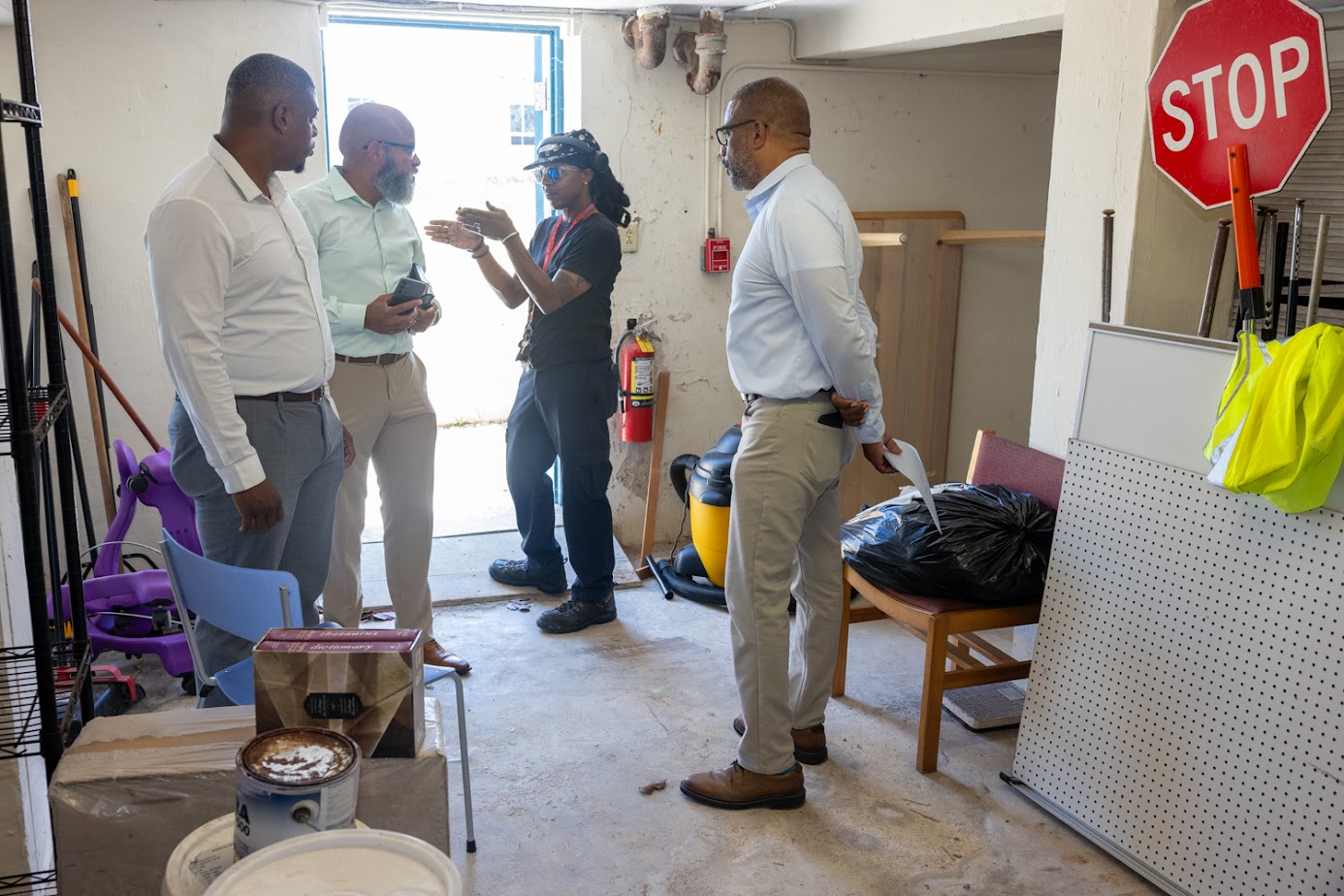
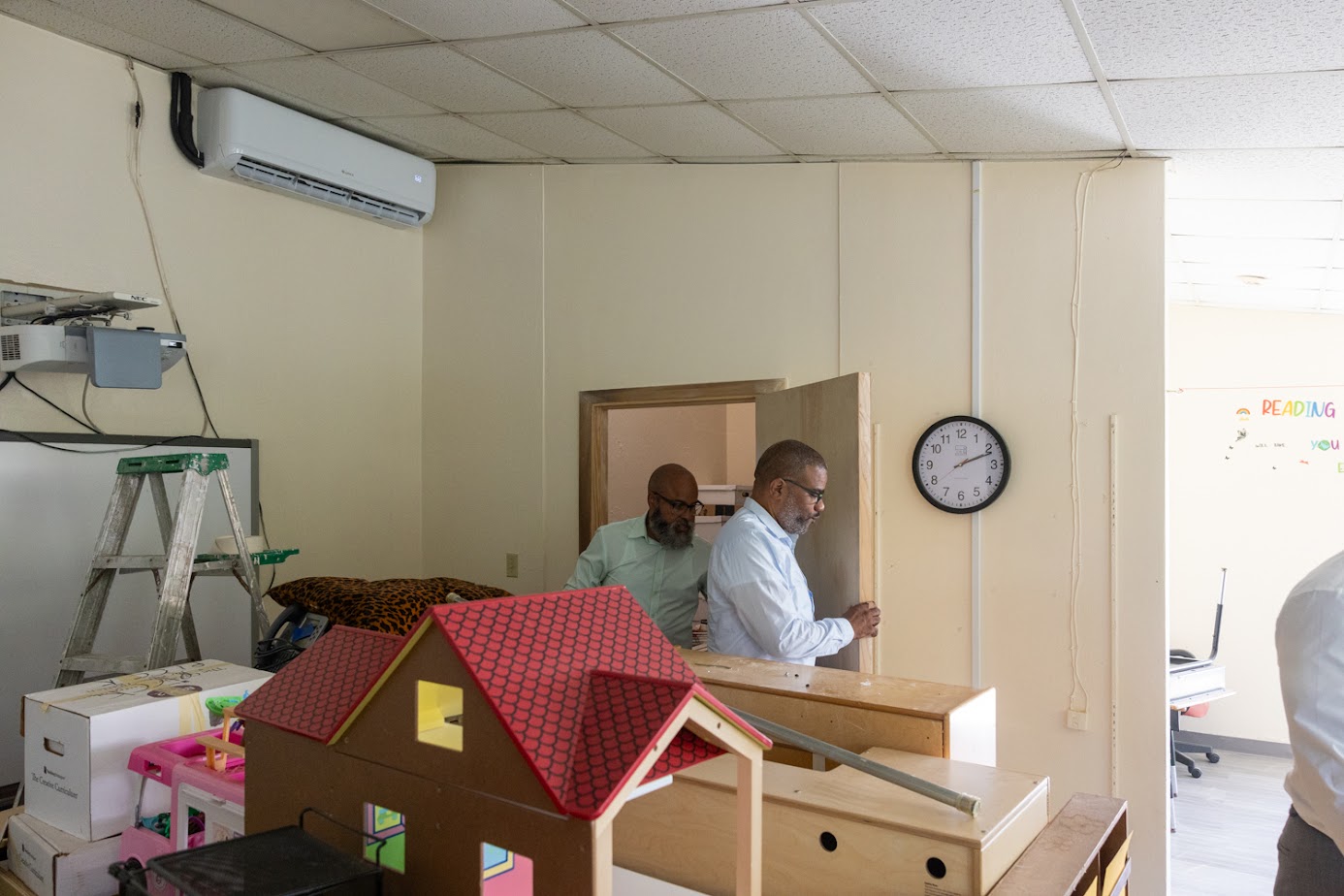
Mr. Speaker, our 2026 Summer Works Programme has been extensive. Across twenty-seven (27) public schools, approximately six hundred and ten (610) maintenance, repair and improvement items have been identified and tracked through our School Readiness Dashboard. As of September 3rd, one hundred and forty-eight (148) were complete and a further two hundred and twelve (212) were actively in progress.
The work ranges from major infrastructure projects to smaller repairs that directly affect the daily experience of our students and staff.
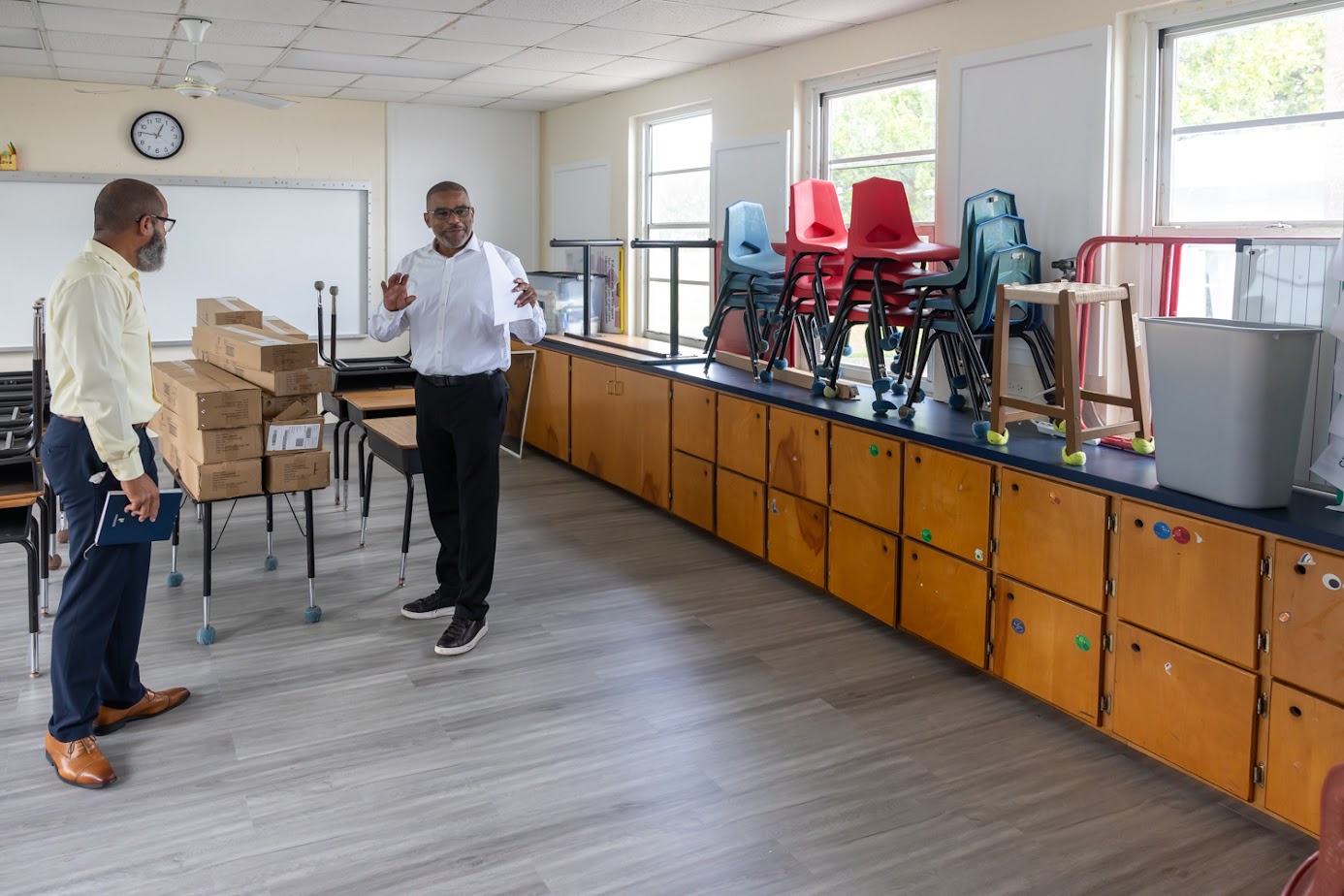
It includes roofing and water-intrusion repairs; electrical and plumbing works; air-conditioning and ventilation; mold and environmental remediation; painting; playground and outdoor safety improvements; windows and doors; fencing; classroom improvements; lighting; and general building maintenance.
Mr. Speaker, this year's programme has placed particular emphasis on matters affecting health and safety of students and staff.
Of the works being tracked, sixty-nine (69) were designated health and safety priorities. Twenty-two (22) are complete and a further thirty-two (32) are in progress. Approximately seventy-eight percent (78%) have therefore either been completed or are actively being addressed.
These works address water intrusion and leaking roofs, mold and moisture, electrical concerns, ventilation and air-conditioning, playground safety, windows, doors, fencing and other building conditions.
There are tangible examples across the system.
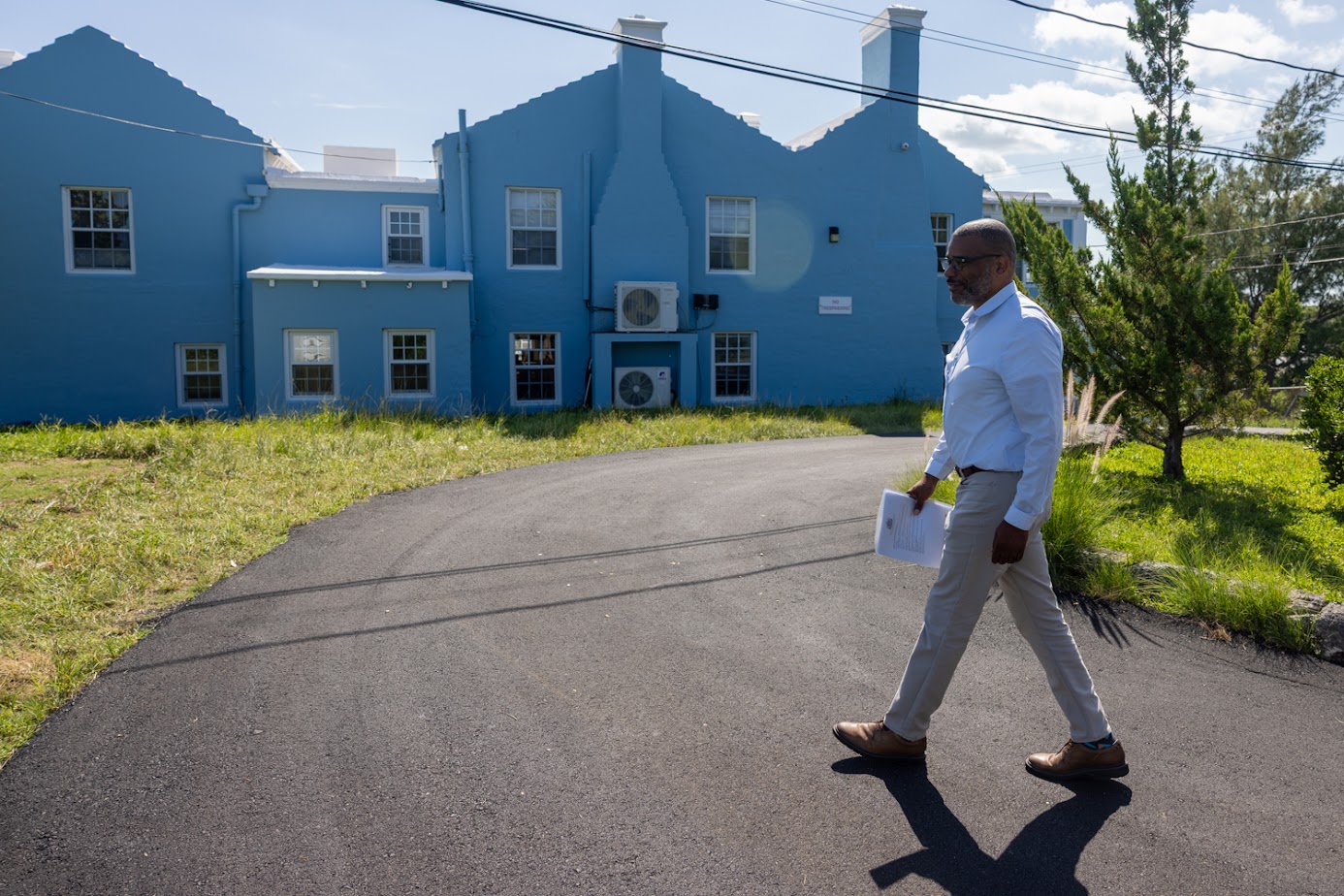
At St. David's Preschool, the driveway was repaved after loose gravel created a slip-and-fall concern. Significant water leaks have been addressed at Warwick and Southampton Preschools and mold remediation has taken place at Lagoon Park Preschool. At Northlands Primary, a missing fire door was replaced. At Paget Primary, work addressed leaking ceilings and areas where moisture and possible mold had been identified. Significant leaks have also been addressed at Dalton E. Tucker and Somerset Primary Schools. These are not cosmetic issues. They directly affect the safety, health and comfort of the people who occupy our schools each day.
Mr. Speaker, I want to address Elliot Primary School directly because it has been a longstanding concern for the school community. Air-conditioning units were installed in the upper school and intended to be operational in the last school year.
However, the existing electrical supply lacked the capacity to support the additional load. This summer, considerable attention has focused on the underlying electrical infrastructure and the BELCO service upgrade required to increase the power supply so these units could operate as intended. This required coordination between the Ministry of Public Works and Environment, BELCO and other stakeholders and is considerably more complex than the installation of individual air-conditioning units.
I recognise how long the Elliot school community has waited and the frustration of having air-conditioning units in place that didn’t work because of the facility’s electrical capacity. The service upgrade and associated works have therefore been prioritized within the summer programme.
Elliot illustrates why some challenges in our school estates cannot be solved through simple repairs. Aging infrastructure sometimes requires significant upgrades before modern equipment can be properly supported.
The work at Elliot is intended to provide a sustainable solution not than another temporary fix.
Mr. Speaker, while there has been considerable progress, I want to be equally clear about what remains. Not every Summer Works Programme item has been completed.
Forty-seven (47) health and safety priority items remain open across the system. Most (32) are already in progress and are expected to be completed by the end of September. The others (15) require further assessment, engineering solutions, specialist contractors, procurement or coordination with agencies and utility providers and will be scheduled as those dependencies are resolved.
Some projects are significant infrastructure projects that cannot be completed within a single summer maintenance period. The opening of school, however, does not remove them from our priority list.
Yesterday, when I spoke directly to our educators at the Department of Education’s Teachers Retreat, I made a commitment about how we will manage this work.
I acknowledged that too many educators have begun previous school years without sufficient clarity about what would and would not be ready in their buildings.
This year, every school will receive a written, school specific, report outlining what has been completed, what remains outstanding and the plan to close those gaps.
Our principals should not have to chase multiple departments for answers about their buildings. Outstanding work will be identified, tracked and scheduled and interim measures considered where required. Where appropriate, work will continue on weekends, during school breaks and holidays to minimize disruption to teaching and learning.
School readiness does not end when the first school bell rings.
Mr. Speaker, preparation for the school year extends beyond our buildings. We must also ensure the people needed to educate and support our children are in place.
I am pleased to report that our public schools are substantially fully staffed for the opening of the 2026/27 academic year. Throughout the summer, the Department of Education has worked to fill vacancies, secure substitute coverage and address the administrative and immigration requirements associated with overseas recruitment.
Several staffing matters identified during the readiness process have already been resolved.
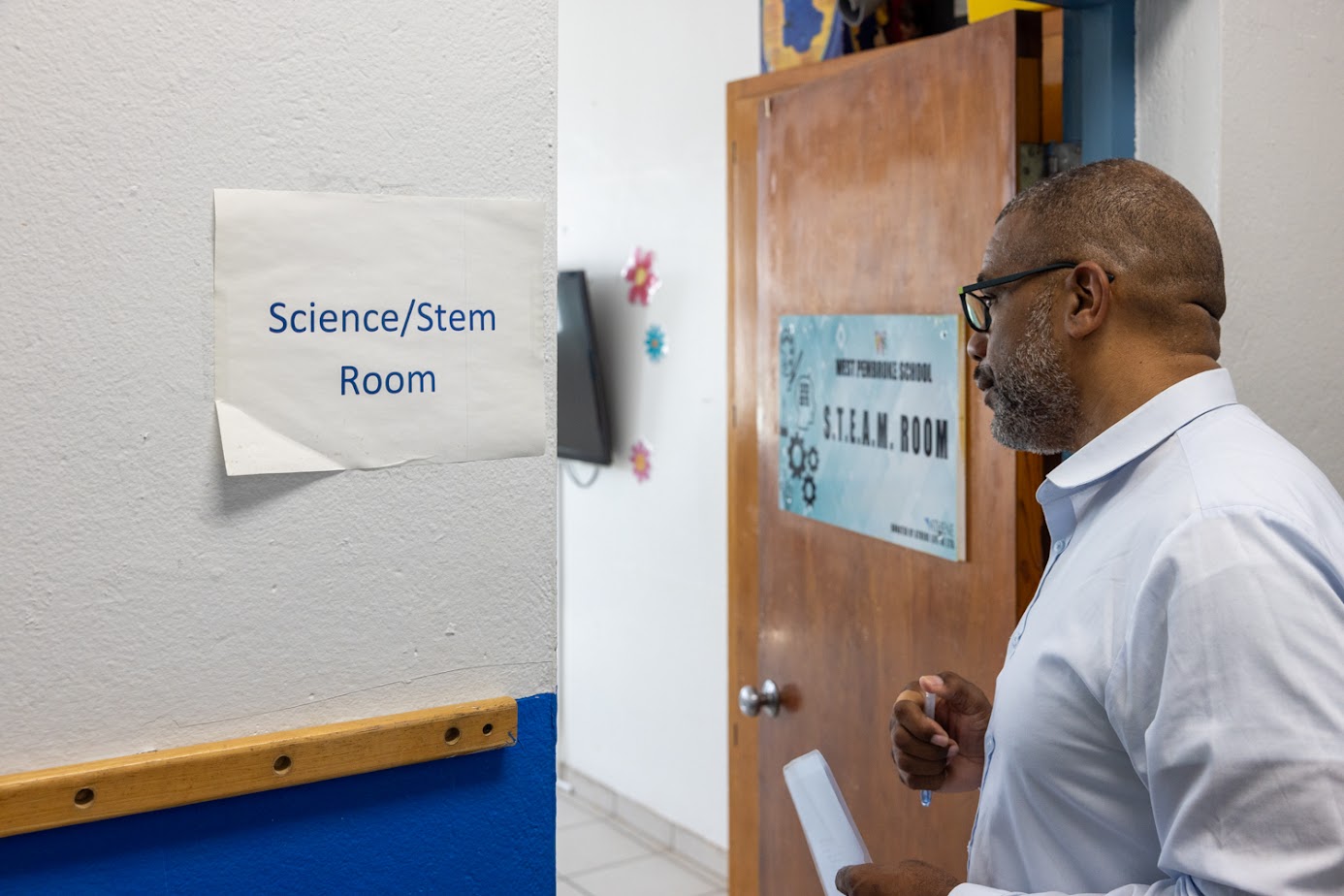
Substitute coverage has been secured at West End, Paget Primary and for the Autism Spectrum Disorder (ASD) programme at West Pembroke. St. George's Preparatory has substitute coverage while recruitment continues for its vacancy. An ICT teacher has also been secured for Francis Patton, with the necessary exemption being processed.
A limited number of positions still require substitute coverage, including specific needs in the ASD, French, Music, English and Mathematics, Design and Technology, and Foreign Language. Some of these have arisen recently because identified substitutes withdrew or members of staff became unavailable due to illness or approved personal leave.
At The Berkeley Institute and Sandys Secondary Middle School, recruited overseas teachers are awaiting confirmation of the necessary approvals and are prepared to travel once those approvals are confirmed. The Department continues to actively manage these remaining matters.
Mr. Speaker, it is important to put these exceptions in context. Our schools are staffed and our educators are preparing to receive their students. Where individual vacancies or unexpected absences remain, the Department is working to ensure appropriate coverage. We will continue to monitor staffing throughout the school year because like facilities readiness, it is an ongoing responsibility.
Mr. Speaker, another important development in our readiness for this academic year is the expansion of specialized student support. School readiness must include support for every child, including those students who require additional and specialized support services.
The Bermuda Public School System provides ASD, and Global Developmental Delay, or GDD, programmes within mainstream school environments. For students enrolled in these programmes, they provide inclusive, individualized learning environments with targeted academic, communication, social-emotional and functional support, while maintaining purposeful connections with their mainstream peers.
For the 2026/27 academic year, we have expanded this provision. Harrington Sound Primary School and Northlands Primary School have launched new ASD programme classes this year. They join existing primary school programmes at West Pembroke Primary, Elliot Primary and Paget Primary, which each operate two classes, and West End Primary, which operates one. With Harrington Sound and Northlands, there are now nine primary ASD/GDD classes within the Bermuda Public School System.
These classrooms provide smaller, highly structured learning environments that may include small-group instruction, predictable routines, visual supports, explicit teaching of communication and social skills, and sensory and emotional-regulation support.
Importantly, these programmes do not operate in isolation from the wider school. Where appropriate, students participate with their peers in mainstream classes, physical education, music and art, assemblies, school events, recess and lunch, clubs and other activities. The classrooms operate as team-based programmes. Depending on student needs, support may include ASD/GDD lead teachers, Learning Support Teachers, paraeducators, Educational Therapists, School Psychologists, Student Services and other specialists.
The expansion at Harrington Sound and Northlands represents another important step in increasing our capacity to meet the diverse learning needs of Bermuda's children.
Mr. Speaker, when I spoke with our educators yesterday, I also said that the responsibility of leadership is not simply about announcing initiatives. Our responsibility is to create the conditions in which our schools can succeed.
That requires clarity, resources, timely decisions, coordinated change and a willingness to adjust course when something is not working. For school readiness that means being honest about unfinished work rather than presenting an incomplete project as a finished one. It also means recognizing the considerable work of people who spent their summer addressing these issues.
Our educators and support staff continue to show up for Bermuda's children. Teachers teach, principals lead, paraeducators and support staff serve children with increasingly complex needs, and counsellors, custodians, administrative staff and Department officers keep our system operating. Their contribution is significant, and should not be taken for granted.
Mr. Speaker,
Ultimately, every item I have spoken about today; every roof repair, electrical upgrade, air-conditioning unit, recruitment exercise, substitute placement and new ASD/GDD classroom, has one purpose: Our children.
- When a child walks through the doors of one of our schools, they should enter a safe environment.
- They should know that they belong.
- They should have educators who recognise their potential and challenge them to achieve it.
- They should have access to the support they require.
- And they should receive an education that prepares them for the future they want for themselves.
Those are the measures by which our education system will ultimately be judged. They reflect the commitment I made to our educators this week: behind every policy, reform initiative and decision is a child whose experience must remain at the center of our work.
Mr. Speaker, school readiness does not mean every maintenance item on a spreadsheet is checked off before the first day of school. Readiness means our schools can safely welcome students; classrooms have educators; appropriate programmes and supports are available; and, where work remains, we know what it is, are transparent about it, and have a plan to remedy it.
There is still work to do, and we will not suggest otherwise, but there has also been considerable progress. Our schools are substantially staffed and significant works have been completed across our school estate. Approximately seventy-eight percent (78%) of identified health and safety priorities have either been completed or are actively being addressed. Longstanding infrastructure matters, including the electrical capacity needed to operate air-conditioning properly at Elliot Primary, are being advanced. We have expanded ASD/GDD provision with new programmes at Harrington Sound Primary and Northlands Primary. And we are strengthening accountability for outstanding school works so that our school leaders know what remains and when they can expect it to be addressed.
Mr. Speaker, none of this happens without people. I close by thanking our teachers, principals, paraeducators, counsellors, custodians, administrative staff, Department and Ministry officers, facilities personnel, Works and Engineering teams, contractors and partners across Government who worked throughout the summer to prepare our schools.
To our parents and families, thank you for your patience as this work has progressed and as the remaining work continues.
Most importantly, to our students: welcome back.
I wish every student and educator in the Bermuda Public School System a safe, successful and rewarding 2026/27 academic year.
Our work continues, and our responsibility remains clear: to create the conditions in which every child can learn, belong and succeed.
Thank you, Mr. Speaker.