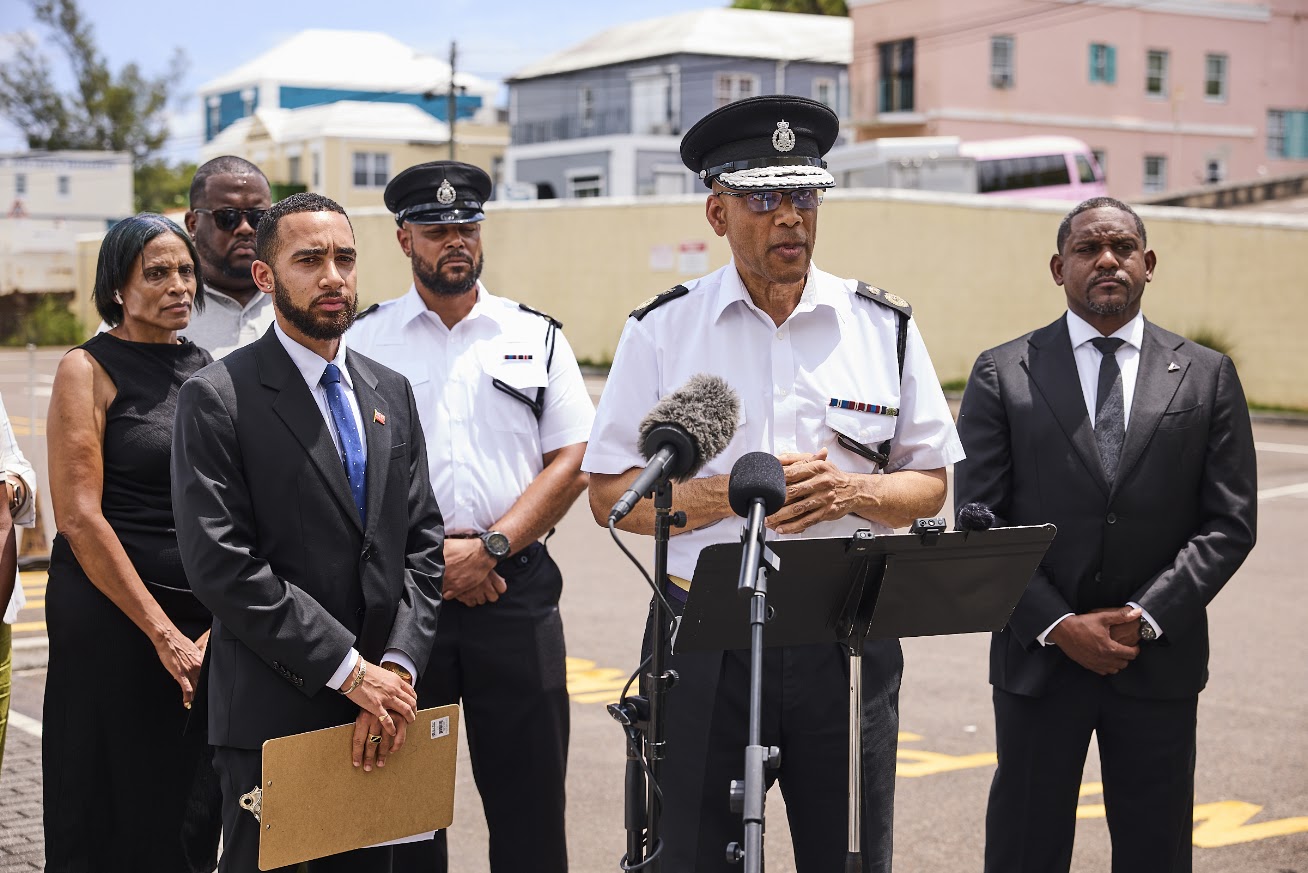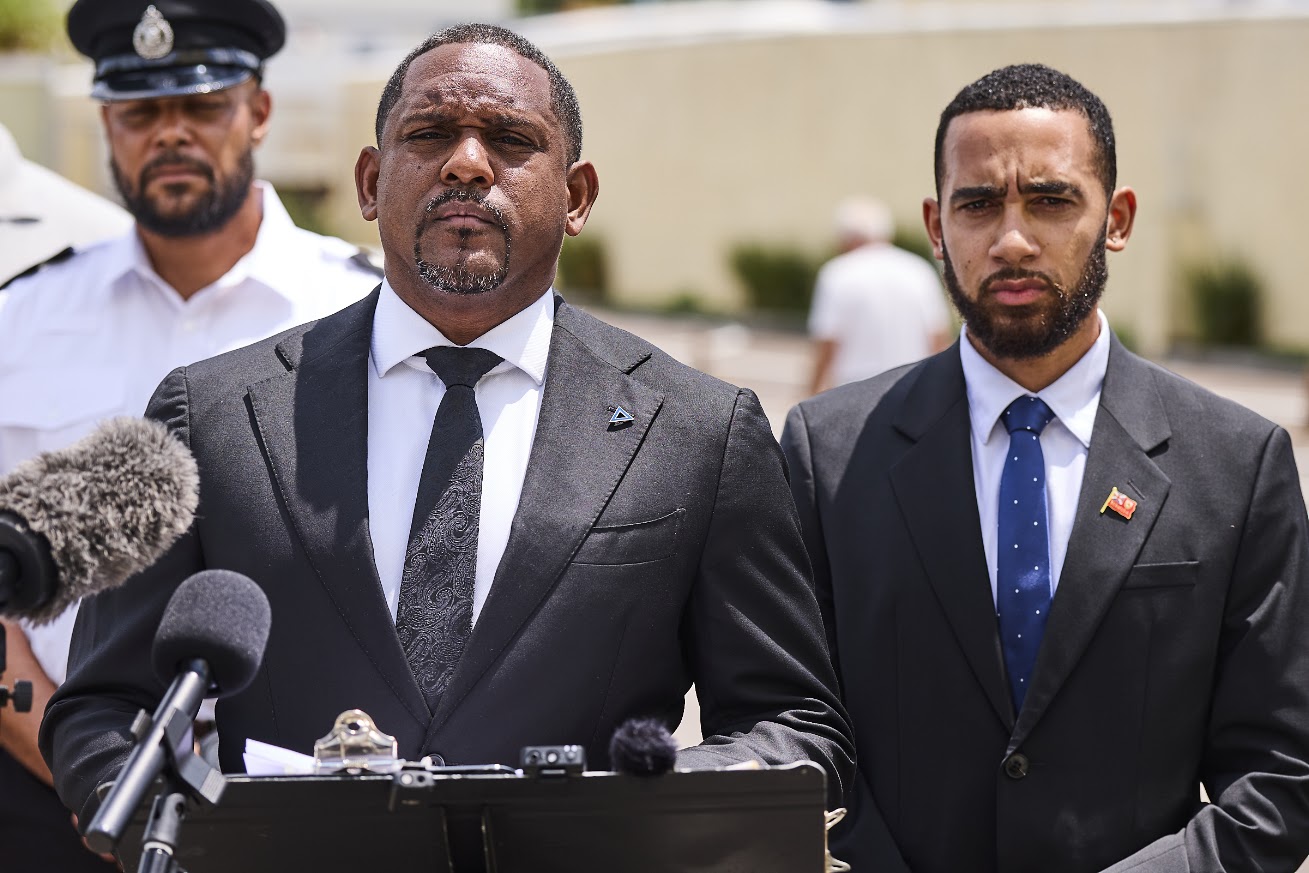
The Minister of National Security, the Hon. Michael Weeks, JP, MP, yesterday led a preliminary meeting of the Emergency Measures Organisation (EMO) to review Bermuda’s state of readiness for the 2026 Atlantic Hurricane Season.
The virtual meeting formed part of the EMO’s early-season preparations and was held with no current storm threat to Bermuda. It brought together the EMO Executive to review agency readiness, public safety messaging, emergency communications, and the steps residents and businesses should be taking now.
Minister Weeks said the public should not mistake a quieter seasonal forecast for personal safety.
“People should not confuse a lower seasonal forecast with lower risk,” said Minister Weeks. “The forecast may be quieter than usual, but Bermuda cannot afford to be casual.
"A below-normal season can still produce a storm that causes serious damage. It only takes one hurricane close to Bermuda to affect homes, roads, power, businesses, and families.”
The Atlantic Hurricane Season runs from 1 June to 30 November. According to the United States National Oceanic and Atmospheric Administration (NOAA), the 2026 Atlantic Hurricane Season is expected to be below normal, with 8 to 14 named storms, 3 to 6 hurricanes, and 1 to 3 major hurricanes of Category 3 or higher.
NOAA has also forecast the development and strengthening of El Niño conditions during the season. While El Niño conditions can suppress tropical cyclone activity in the Atlantic Basin, other factors, including unusually warm Atlantic waters, may still support storm development.
Minister Weeks said Bermuda’s focus must remain on preparedness, not on the overall number of storms forecast.
“History has taught us that it only takes one storm to have a significant impact on Bermuda,” he said. “Seasonal forecasts provide useful guidance, but Bermuda’s risk is determined by the path of any one storm, not by the total number of storms that form.”
Today’s meeting included a briefing from the Bermuda Weather Service, Bermuda’s national meteorological authority.
The EMO Executive was reminded that household and business preparations must be completed before tropical storm-force winds arrive if a storm is approaching.
Businesses should also review their continuity plans. The EMO Executive also cautioned residents not to rely only on a storm’s category rating.
While major hurricanes carry extreme danger, lower category hurricanes and tropical storms can still bring dangerous winds, storm surge, flooding, flying debris, blocked roads, and major disruption.
Minister Weeks added: “People must not wait until conditions are already deteriorating. If shutters need to go up, if outdoor furniture needs to be moved, or if a neighbour needs help, that work must be done before tropical storm-force winds arrive. Once conditions become unsafe, it may be too late.”
During any storm threat, the Bermuda Weather Service is the authoritative source of weather information for Bermuda, and EMO decisions are guided by BWS forecasts and advice.
Residents are urged to rely on official Government of Bermuda channels rather than unverified social media posts or weather applications not calibrated for Bermuda.
Residents are also encouraged to keep a portable FM radio in working order with spare batteries. During an emergency, the Government Emergency Broadcast Station on 100.1 FM is the official EMO information channel, alongside the Government of Bermuda’s official social media channels.
The EMO Executive encourages all residents to review their hurricane plans, confirm they have at least 72 hours of essential supplies, locate important documents, and speak with family members now about what to do if Bermuda is placed under a storm watch or warning.
For preparedness guidance and the official hurricane checklist, visit the Government of Bermuda’s hurricane preparedness portal at www.gov.bm/hurricane-preparedness.