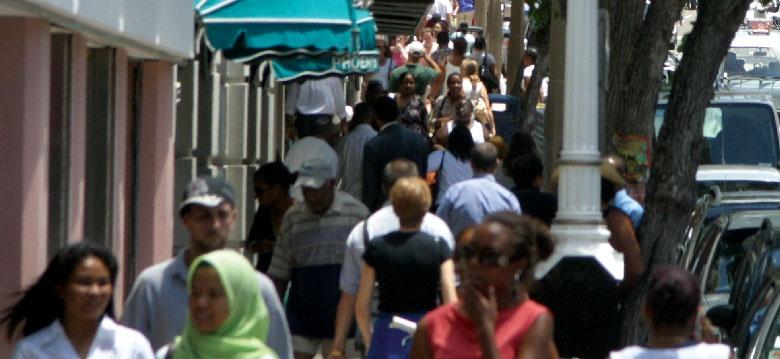
Today, the Ministry of Economy and Labour released the November 2023 Retail Sales Index publication (attached).
November’s volume of retail sales decreased 1.2 percent compared…
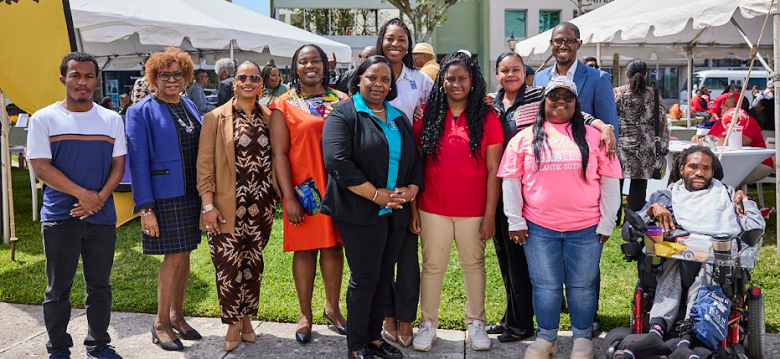
Today the National Disability Register was launched by the Minister of Youth, Social Development, and Seniors, The Hon. Tinèe S. Furbert, JP, MP and Kimberley Wilson, United…
The Ministry of Health has issued a reminder that applications for the Dr. Barbara Ball Public Health Scholarship are being accepted until April 30th. To apply, go to the Bermuda…
"The success of this training course reflects Bermuda's commitment to excellence and leadership in corrections training internationally," said Minister of National Security…
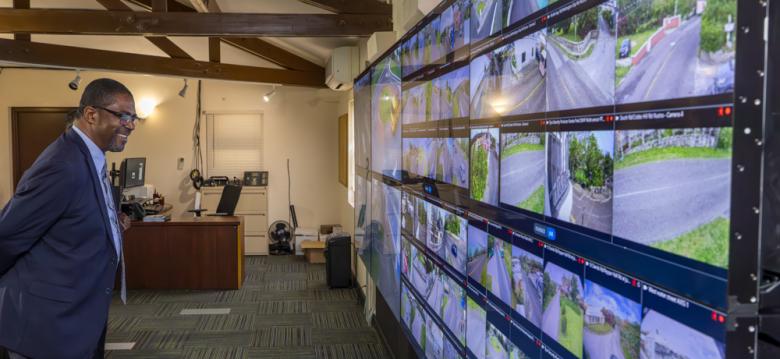
“The installation of the new CCTV system marks a key milestone in strengthening Bermuda's public safety infrastructure,” said Minister of National Security Michael Weeks, JP, MP,…